


The Dentist’s Chair, Napoleon’s Battlefield, and Side by Side Leadership
-Written by Dr. DeAngelo S. Webster

Last weekend, I went to watch Ridley Scott’s new film Napoleon, a cinematic portrayal of the life of the French emperor and military icon, Napoleon Bonaparte. Widely regarded as one of the greatest military strategists of all time, Napoleon’s complex life and multifaceted legacy could indeed fill countless books and films. Yet, as a dentist, one specific facet of his leadership resonated profoundly with me: his style of charging into battle with his troops, a practice strikingly similar to the role dentists play in their clinics.
The Conventional View of CEOs and Leaders
Traditionally, CEOs and leaders are perceived as high-level strategists, often detached from the everyday operations of their organizations. They are seen as the brains behind the operations, making critical decisions from a remote standpoint, ensuring the ship stays its course from the safety of the captain’s deck. This traditional view paints a picture of leadership that is more about oversight and direction than hands-on involvement.
Dentistry: A Unique Blend of Leadership and Practice
In stark contrast to this conventional model, the world of dentistry offers a unique perspective. Here, dentists often assume the dual role of CEO and principal practitioners in their clinics. This unique position entails a blend of administrative oversight and active participation in the operational aspects – a balancing act of managing the business while also being deeply involved in patient care. This direct involvement results in a comprehensive understanding of the practice, from patient interactions to team management, leading to enhanced team dynamics, and ensuring a personalized commitment to patient care that often translates to higher patient satisfaction and quality of service.
Napoleon’s Frontline Leadership
Historical military leadership has showcased a spectrum of styles, from leaders who directed their troops from a safe distance to those like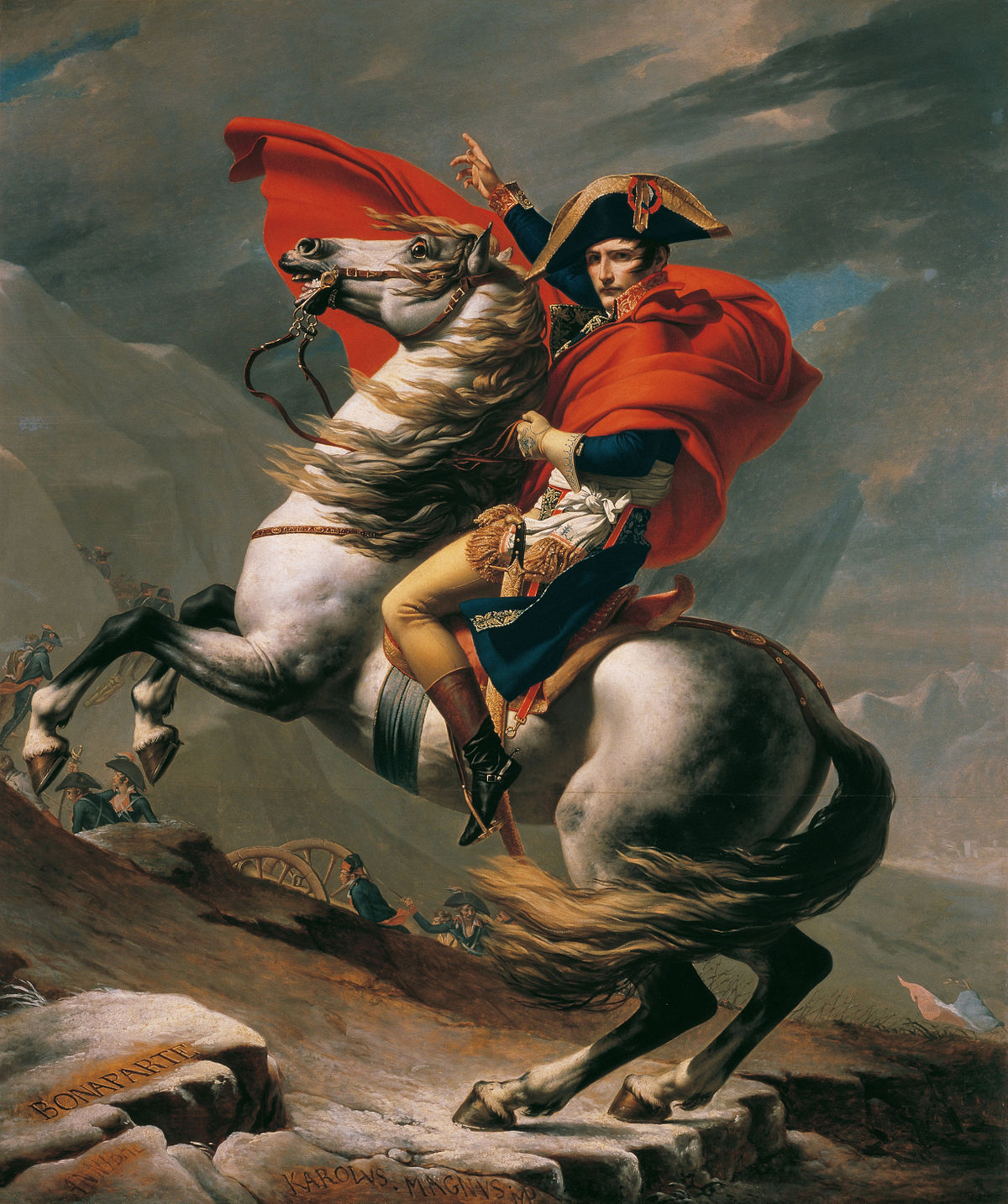 Napoleon, who were known for their hands-on approach. Napoleon Bonaparte’s decision to lead from the front was a strategic and deliberate choice. By being in the midst of the action, he could make quick, informed decisions, responding effectively to the fluid dynamics of the battlefield. More than just a tactical move, this approach had a significant psychological impact on his troops. It boosted their morale, fostered a sense of unity and shared purpose, and inspired them through his direct involvement and visible bravery.
Napoleon’s Italian Campaign further exemplifies his hands-on leadership style. During this series of battles, he was often found at the heart of the action, riding alongside his cavalry, leading charges, and positioning himself where the fight was fiercest. His ability to rapidly assess situations and make immediate tactical decisions was crucial in battles such as the Battle of Montenotte and the Battle of Lodi. His troops, witnessing his bravery and strategic acumen firsthand, were motivated to perform beyond their perceived capabilities, often turning the tide of battle in their favor.
Beyond the tactical advantages, Napoleon’s presence on the battlefield had a profound psychological effect on his troops. His willingness to face the same dangers as his soldiers, to endure the same hardships, and to be visibly involved in the fight, fostered a deep sense of loyalty and respect. This unity and shared sense of purpose often translated into high morale and a strong fighting spirit among his forces.
Drawing Parallels: Dental Leadership and Napoleon’s Strategy
The hands-on involvement characteristic of dental leadership echoes Napoleon’s approach in several key ways:
Firstly, the proximity to the operational frontlines gives both the dentist and the military leader like Napoleon a clear and immediate understanding of the realities on the ground. This awareness is crucial for making informed decisions that are responsive to the current situation.
Secondly, this direct engagement plays a pivotal role in team cohesion and morale. Just as Napoleon’s presence on the battlefield galvanized his troops, a dentist working alongside their team creates a harmonious and collaborative clinic environment.
Lastly, this approach allows for agile decision-making. In the dynamic setting of a dental clinic, where situations can evolve rapidly, being actively involved enables the dentist to make swift, informed decisions, much like a military leader in the heat of battle.
Proximity to Operational Realities
In both dentistry and military leadership, being close to the action provides a tangible sense of the challenges and nuances of the environment. For a dentist, this means being intimately familiar with every aspect of the practice, from patient care to the functionality of dental equipment. This proximity offers a comprehensive understanding of the clinic’s workflow, patient needs, and team capabilities.
Similarly, Napoleon’s presence on the battlefield allowed him to witness firsthand the condition of his troops, the effectiveness of his strategies, and the movements of the enemy. This direct observation was invaluable for making strategic adjustments in real time, a practice that proved decisive in battles like Austerlitz and Marengo.
Enhancing Team Cohesion and Morale
The impact of a leader’s direct engagement on team morale and cohesion cannot be overstated. Napoleon’s presence among his soldiers was a powerful morale booster; it demonstrated his commitment to the cause and his willingness to share in the risks and hardships of battle. His troops felt a heightened sense of camaraderie and were often inspired to perform with greater valor and dedication.
In a dental clinic, when the dentist works alongside their staff, it creates a similar effect. It fosters a team environment where every member feels valued and integral to the clinic’s success. This collaborative atmosphere can lead to improved patient care and a more efficient, cohesive team operation.
Agility in Decision-Making
The dynamic nature of both a battlefield and a dental clinic requires rapid, yet informed, decision-making. Napoleon’s ability to make swift strategic decisions was a key element of his military genius. His direct involvement in battles allowed him to quickly assess situations and adapt his tactics as needed, often seizing the initiative and outmaneuvering his opponents.
In the context of a dental practice, the dentist’s active involvement in all aspects of the clinic equips them with a similar agility. They can promptly address unexpected issues, whether clinical complications or administrative challenges, ensuring the smooth operation of the practice. This agility not only aids in effective problem-solving but also contributes to the overall resilience and adaptability of the practice.
 The leadership model prevalent in dentistry, marked by direct involvement and close interaction with team members, finds a historical parallel in Napoleon Bonaparte’s military tactics. This approach offers several advantages, including a deeper operational understanding, improved team dynamics, and enhanced decision-making agility. The comparison between dental leadership and Napoleon’s military strategy, while contextually different, provides valuable insights into the effectiveness and impact of hands-on leadership. This model not only distinguishes the dental profession but also serves as a compelling example of the diverse nature and potential of leadership across various domains.
Reflecting on the depiction of Napoleon in Ridley Scott’s film, it becomes evident that there is much to learn from his style of leadership, particularly in its similarity to the role of a dentist. The comparison is not just an academic exercise but a real-world illustration of how different fields can offer insights into effective leadership practices. In the trenches of daily dental practice, there lies a form of leadership that is dynamic, involved, and deeply connected to the team and patients, much like the leadership of one of history’s most renowned military strategists.
Want to Learn to Use Social Media to Get More New Patients in Your Practice Each Month?
Click Here to Learn to Use Social Media to Get More New Patients

Want to Become a Stronger Leader as a Dentist?
Click Here to Learn about ‘Permission to Lead’ by Dr. Tony D. Nguyen

Feel Stuck as an Associate Dentist? Want a Course, Mentorship, Support and Guidance for Becoming a 1st-Time Owner?

Practice Launch for Start-Ups and 1st Time Practice Acquisition – CE Course


